Table of Contents
- Nebraska Home Selling
- Which Areas in Nebraska Offer the Best Return on Investment and Are Easiest for Residential Property Development?
- What Home Styles, Sizes, and Features Tend to Sell Fastest in the Nebraska Market?
- What Should Home Sellers Know About Zoning Laws, Permits, and Regulatory Requirements in Nebraska?
- Which Towns or Cities in Nebraska Are Easiest, and Hardest, When It Comes to Navigating Real Estate Regulations?
- What Are the Most Effective Flipping and Resale Strategies for Maximizing Profit in Nebraska's Housing Market?
- How Should Sellers Price Their Homes to Attract Buyers While Maximizing Value in Nebraska?
- Which Key Economic, Social, and Regulatory Factors Are Driving Current Trends in Nebraska's Local Property Markets?
Nebraska Home Selling

Though home prices in Nebraska rose more than 7% year over year in October 2025, the state's median sale price of $307,900 puts it well below the national median of around $440,000. Pricing in Nebraska aligns closely with that of neighboring Plains states, such as Kansas and Iowa, yet remains more affordable than markets in the Mountain West, including Colorado and Wyoming. Like other real estate markets in the Midwest, demand is high for homes in Nebraska, with homes selling in a median of just 30 days.
According to Realtor.com's Affordability and Homebuilding Report Cards, Nebraska ranked seventh among all states, receiving a B rating overall. Having accounted for 0.7% of all U.S. permits in 2024 despite representing only 0.6% of the population, construction remains active in the Cornhusker State. However, despite a significant increase in the number of homes for sale (+7.2% year over year), inventory continues to fall short of demand. With an average of just 2 months of supply, Nebraska remains a firm seller's market, pushing prices up and limiting choices for buyers.
While home prices are modest compared to many other states, property owners in Nebraska facehigher property tax rates. At an average effective rate of 1.50% of home value, Nebraska property taxes are the ninth highest nationally. This rate exceeds the U.S. average of just under 1%, and outpaces all neighboring states, where rates range between 0.49% and 1.43%.
Foreclosure activity in Nebraska remains relatively low, at one filing per 7,506 housing units, a rate well below the national rate of 1 in 3,871. These figures point toward a stable housing market where homeownership costs remain manageable for most owners.
Which Areas in Nebraska Offer the Best Return on Investment and Are Easiest for Residential Property Development?

Relative to its border states, Nebraska's real estate market offers affordable options for nearly all investors. Diverse opportunities exist across the state, from urban areas like Omaha to small towns like Chadron, with each location offering unique advantages and considerations. For potential investors in Nebraska's housing market, the following locations may have the most potential for maximum returns on investment:
-
Omaha: Midtown Omaha area boasts historic architecture and proximity to major employers such as the University of Nebraska Medical Center. This area has experienced consistent property value appreciation due to ongoing revitalization efforts and a strong local economy.
-
Lincoln: Lincoln's real estate market benefits from a steady influx of students, faculty, and staff associated with the University of Nebraska. Areas close to the campus have seen increased demand for rentals, leading to higher occupancy rates and rental yields. The city's overall economic stability further supports property value growth.
-
Grand Island: Grand Island is experiencing growth driven by industrial expansion, particularly in the manufacturing and logistics sectors. This economic development has led to increased demand for housing, both for purchases and rentals, making it an attractive area for residential real estate investments.
-
Kearney: Kearney's economy is supported by institutions like the University of Nebraska at Kearney and Good Samaritan Hospital. These organizations attract a steady stream of residents, ensuring consistent demand for housing.
-
Hastings: Hastings offers a more affordable entry point for investors, with lower property prices compared to larger cities. This affordability, combined with a stable local economy, makes it an attractive option for both development and rental investments.
-
Columbus: Columbus benefits from its proximity to Nebraska's agricultural industry, with many residents employed in farming and related sectors. This economic base supports steady demand for housing, particularly in suburban areas, offering opportunities for residential development.
-
Fremont: Fremont's location as a commuter town to Omaha makes it appealing for residents seeking more affordable housing options while maintaining access to urban amenities. The city's suburban charm and community-focused atmosphere contribute to its attractiveness for residential development.
-
Scottsbluff: Scottsbluff offers rural development incentives aimed at attracting new residents and businesses. These incentives, combined with the area's natural beauty and recreational opportunities, make it an appealing location for residential property development targeting those seeking a rural lifestyle.
-
North Platte: North Platte serves as a transportation and logistics hub, with significant rail and highway infrastructure. This location supports broader economic activity and drives demand for housing, particularly for workers in the transportation sector, presenting opportunities for residential development.
-
Bellevue: With a median income of $87,343 and a median property price of $295,000, Bellevue offers an attractive income-to-home price ratio. Bellevue's strong school districts, low crime rates, and proximity to Offutt Air Force Base ensure high demand for family-oriented properties and military housing.
What Home Styles, Sizes, and Features Tend to Sell Fastest in the Nebraska Market?
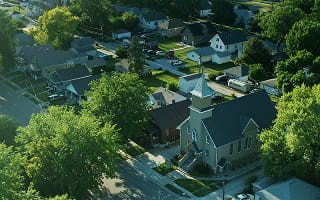
The real estate market in Nebraska experiences moderate home sales, with the average days on market estimated at around 30 days. Still, some places, such as Omaha and Lincoln, experience faster sales with many homes selling in just 2-3 weeks. Throughout the Cornhusker State, the homes that tend to sell the fastest typically have the following features:
-
![]() Bedrooms: Homes with 3-4 bedrooms and 2 bathrooms are the most desirable in Nebraska. This is because these configurations attract families and attract a wider pool of buyers, making them more likely to sell quickly. While 2-bedroom homes are still in demand, especially among first-time buyers and downsizers, they don't sell as quickly as homes with 3-4 bedrooms.
Bedrooms: Homes with 3-4 bedrooms and 2 bathrooms are the most desirable in Nebraska. This is because these configurations attract families and attract a wider pool of buyers, making them more likely to sell quickly. While 2-bedroom homes are still in demand, especially among first-time buyers and downsizers, they don't sell as quickly as homes with 3-4 bedrooms.
-
![]() Size and Lot: Homes with a living area between 1,800-2,500 square feet are highly sought after in Nebraska, as they cater to families seeking ample but manageable space. Larger lot sizes, especially those exceeding 0.25 acres, may also be a significant selling point, as buyers increasingly look for outdoor spaces, particularly in suburban areas.
Size and Lot: Homes with a living area between 1,800-2,500 square feet are highly sought after in Nebraska, as they cater to families seeking ample but manageable space. Larger lot sizes, especially those exceeding 0.25 acres, may also be a significant selling point, as buyers increasingly look for outdoor spaces, particularly in suburban areas.
-
![]() Style: Characterized by open floor plans, large kitchens, and lasting appeal, the modern farmhouse style remains a popular choice among Nebraska buyers. Ranch-style and two-story homes are also highly sought after, particularly in suburban neighborhoods where families seek well-established, spacious homes.
Style: Characterized by open floor plans, large kitchens, and lasting appeal, the modern farmhouse style remains a popular choice among Nebraska buyers. Ranch-style and two-story homes are also highly sought after, particularly in suburban neighborhoods where families seek well-established, spacious homes.
-
![]() Modern Upgrades: Modern upgrades are another feature commonly found in homes that sell fast in Nebraska. For instance, kitchens and bathrooms are important areas for renovation, and updated finishes in these rooms can significantly increase a property's appeal. Energy-efficient features, such as heat pumps, foam insulation, and smart home technologies, are also attractive to many buyers, especially eco-conscious buyers focused on reducing long-term utility costs.
Modern Upgrades: Modern upgrades are another feature commonly found in homes that sell fast in Nebraska. For instance, kitchens and bathrooms are important areas for renovation, and updated finishes in these rooms can significantly increase a property's appeal. Energy-efficient features, such as heat pumps, foam insulation, and smart home technologies, are also attractive to many buyers, especially eco-conscious buyers focused on reducing long-term utility costs.


What Should Home Sellers Know About Zoning Laws, Permits, and Regulatory Requirements in Nebraska?

Zoning laws and permitting requirements for different land uses vary by jurisdiction in Nebraska. This means it's important for investors to verify local regulations before making any modifications or selling. Note that some jurisdictions have strict zoning codes, while others have more lenient laws and permitting requirements. In many areas across the state, certain changes to property use or structures may require special permits, public hearings, or approval from the local zoning board.
If you're planning to invest in the local property markets in Nebraska, obtaining a zoning compliance letter may help you avoid potential issues with zoning or use violations. A zoning compliance letter (known as a zoning verification letter in some municipalities) is an official document that typically confirms a property's compliance with local zoning laws and permitted uses. Buyers often request this letter during the due diligence process to ensure there are no legal issues or violations associated with the property.
The following information describes the disparities between different Nebraska municipalities, including which areas have strict, less strict, and more moderate zoning laws, permitting requirements, or other limitations:
-
Areas with strict zoning laws: Jurisdictions like Omaha have strict zoning laws that tightly regulate various land-use options. Such locations typically have well-defined residential, commercial, and industrial zones, which can limit how a property may be used or altered. Although these rules are intended to maintain neighborhood character and manage urban growth, they can also be restrictive for developers looking to repurpose or rezone properties for different uses.
-
Jurisdictions with less bureaucratic zoning laws: Less bureaucratic locations, like Nance and Madison Counties, have more relaxed zoning regulations than some other parts of the state. In these locations, zoning laws are often less detailed, allowing for more flexibility in land use and property development. As a result, developers in these areas usually find it easier to obtain permits and approvals for construction and renovation.
-
Areas requiring a special permit via a public hearing and approval from the zoning board: Some areas in Nebraska require property owners or developers to seek special permits for certain types of construction or property use. This often involves a public hearing where stakeholders can voice concerns or support the proposed changes. The local zoning board or other governing body will review the proposal and make a decision based on local regulations and community input. This process can take additional time and may be necessary for more significant alterations or developments, such as changing the use of a property from residential to commercial or building larger structures in residential zones. Special permits are often required in locations such as Lancaster County (which includes the City of Lincoln).
-
Areas where a Certificate of Occupancy is mandatory before legal occupation: A Certificate of Occupancy (CO), is an official document that verifies that a building or home complies with local building codes, zoning laws, and safety standards. In the Cornhusker State, a CO is typically required in most municipalities before a property can be legally occupied following the completion of new construction, major renovations, or use changes. For instance, a CO inspection is mandatory in Omaha before any new business opens or a building's use changes. In the City of Lincoln, any new or changed occupancy triggers a CO requirement to confirm compliance with building and zoning codes.
-
Places where historic commission approval is required for certain renovations and material usage: In cities and neighborhoods with historical significance, properties may fall under the jurisdiction of a historic commission tasked with preserving the character of historic districts by regulating renovations, material usage, and changes to a building's appearance. In these areas, homeowners or developers planning to make alterations to properties must seek approval from the local historic commission before proceeding with renovations. For example, in the City of Lincoln, exterior renovations, material changes, and alterations to properties with historic designations require a Certificate of No Material Effect or a Certificate of Appropriateness.
Which Towns or Cities in Nebraska Are Easiest, and Hardest, When It Comes to Navigating Real Estate Regulations?

In order to avoid legal issues and maximize property value, home sellers and developers in Nebraska must comply with local zoning laws, building permits, and occupancy requirements. The following are categories and examples of the different regulatory climates throughout Nebraska's housing markets:
Development-Friendly Areas

These regions are characterized by streamlined permitting processes, zoning flexibility, and proactive local government support, making them attractive for development projects. Examples include:
- Lincoln: Lincoln is considered development friendly due to its proactive zoning laws and simplified permitting procedures. The city's zoning codes provide ample flexibility for residential and mixed-use projects. Additionally, Lincoln has a history of encouraging sustainable development and economic growth through its well-defined urban growth boundaries.
- Kearney: Kearney's zoning ordinances are designed to promote compatibility between residential, commercial, and industrial areas. The city's planning department works closely with developers to ensure projects align with community goals while minimizing bureaucratic delays.
- Bellevue: Bellevue's City Council actively backs new development through its Affordable Action Housing Plan (AHAP) and streamlines applications through an online portal. The city also encourages economic growth via its LB 840 Economic Development Program.
Moderately Regulated Areas
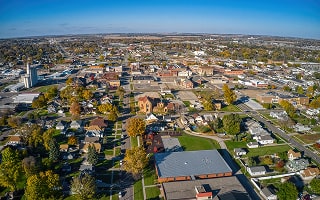
These locations have a balanced approach between regulation and development. While some projects may require additional review and permitting in these areas, the process is generally predictable and manageable. Examples include:
- Hastings: Hastings has moderately strict zoning codes that regulate residential and commercial development. While the city's permitting process is fair, larger developments, particularly multifamily projects, may require additional review from local authorities.
- Norfolk: Norfolk offers relatively balanced zoning laws that cater to both residential and commercial development. However, mixed-use and higher-density residential projects often face additional zoning reviews and public hearings before approval.
- Waverly: Waverly's zoning regulations are designed to maintain residential neighborhood character while allowing for some flexibility in land use. Developers seeking to build commercial or mixed-use properties may need to undergo additional community review and zoning adjustments.
Highly Restrictive or Bureaucratic Areas

These municipalities typically have more layers of oversight and complex zoning laws. Development in these areas can be time-consuming, requiring community input, detailed documentation, and multiple levels of approval.
- Polk County: Polk County enforces strict zoning regulations that govern land use and construction. Zoning laws are designed to ensure compatibility with neighboring properties, making it more difficult to initiate large-scale developments. Projects in this area often face detailed approval processes.
- Sarpy County: Known for its thorough zoning and land-use regulations, Sarpy County requires developers to seek approval from planning commissions and other governmental bodies. Large residential or commercial projects often face delays due to the county's detailed zoning restrictions and public review processes.
- Douglas County: Douglas County (which includes Omaha) has complex zoning laws, especially in historically significant areas or residential neighborhoods. New development often requires public hearings, zoning board reviews, and detailed design approvals, making it a more bureaucratically challenging area for developers.
Regulatory Climate Factors

Whether you're planning a flip, renovation, or new development, the local regulatory climate can make or break project timelines. With the regulatory climate varying from one neighborhood to another, investors must be aware of the hurdles in each jurisdiction before taking action. Being aware of the prevailing regulatory climate in the local housing market can help you prepare for any hurdles that may potentially reduce profit margins or extend project timelines.
Below is an overview of key regulatory factors that impact property development in Nebraska, along with the areas where these factors are most commonly found.
Factor |
Impact on Development |
Where It's Found |
|---|---|---|
Zoning Flexibility |
Determines ease of land use |
Omaha, Lincoln, Kearney, and Hastings |
Historic Preservation Laws |
Adds restrictions |
Lincoln, Omaha, Norfolk, and Waverly |
Wetlands/Conservation |
Limits buildable land |
Sarpy County, Douglas County, and Buffalo County |
Inclusionary Zoning |
Requires affordable units |
Omaha and Lincoln |
Building Code Enforcement |
Affects cost/speed |
Omaha, Lincoln, Kearney, and Hastings |
Local Politics/NIMBYism* |
Blocks or delays projects |
Sarpy County, Omaha, Waverly, and Madison County |
*NIMBYism - Not in My Backyard
What Are the Most Effective Flipping and Resale Strategies for Maximizing Profit in Nebraska's Housing Market?

The following are the most effective resale and flipping strategies for maximizing profit in Nebraska's housing market:
-
![]()
Target Distressed or Foreclosed Homes: This strategy recommends that flippers or investors target foreclosures and distressed inventory through sheriff's sales, bank-owned listings, and county auctions. For instance, Douglas County and Sarpy County regularly publish their auction calendars, and platforms like Auction.com list available properties. Using this approach, flippers can find heavily discounted properties that are ripe for rehabbing.
-
![]()
Use the 70% Rule: The 70% Rule recommends that a buyer or investor offer no more than 70% of the property's after-repair value (ARV) minus the estimated repair costs. Note that with the tight margins in Nebraska's current market environment, many Nebraska investors are lowering their threshold to around 65%-68% to allow for unexpected delays or cost overruns. This strategy works well across all Nebraska property markets.
-
![]()
Try Wholetailing for Speed: For properties in decent condition in high-demand suburbs, like Papillion, Gretna, or Springfield, using the wholetailing method offers a faster approach to traditional flipping. This strategy involves doing light cosmetic improvements, such as painting, cleaning, and minor repairs, then reselling quickly to retail buyers who are willing to pay close to the full market price for a move-in-ready home.
-
![]()
Build Strong Deal Pipelines with Lead Generation: Building a consistent deal pipeline generally means working multiple lead sources to get a steady stream of discounted deals to build a real estate portfolio. It often involves regularly tracking sheriff's sale calendars, tax-delinquent property lists, and REO portals like HUD Home Store or Fannie Mae HomePath to find opportunities before they appear on the broader market.
-
![]()
Renovate with Quality, Don't Cut Corners: Buyers in places like Omaha and Lincoln generally expect solid mechanical systems and roofing, along with modern kitchens, and bathrooms. If you plan to invest in a property in these areas, renovations should use quality materials and highly professional contractors. Cutting corners on materials or workmanship can result in lower offers and appraisals or renegotiations after inspections.
-
![]()
Follow the BRRRR Method (Buy, Rehab, Rent, Refinance, Repeat): The BRRRR method allows Nebraska investors to recycle equity and build long-term cash flow. For instance, post-rehab, property owners can often refinance up to 75%-80% of the new appraisal value through debt service coverage ratio (DSCR) or portfolio loans, freeing capital for the next acquisition. Some investors hedge against tight resale spreads by using the BRRRR strategy, particularly in job-rich areas near hospitals, universities, and growing data-center hubs in Omaha, Papillion, and Lincoln.
-
![]()
Go Beyond Cosmetic Work (Value-Add Flipping): Due to recent zoning law changes in some Nebraska locations, value-add strategies are becoming more popular. For example, Omaha now allows accessory dwelling units (ADUs) by right in several zoning districts, and Lincoln permits them under defined standards. Adding an ADU, extra bedroom, finished basement, or converting a single-family home to a legal duplex can significantly increase a property's resale value or rental potential.
-
![]()
Try Micro-Flipping (Digital Wholesaling): The micro-flipping strategy includes buying and reselling properties quickly through digital platforms, often without significant rehab. In Nebraska, this strategy works best for livable properties in ADU-friendly neighborhoods or near Omaha's planned streetcar corridor, where urban redevelopment is driving buyer interest.
-
![]()
Explore Auction and Off-Market Buying Strategies: County treasurers across Nebraska typically list upcoming real estate auctions each February, with property details, legal descriptions, and minimum bids published for three weeks. Attending on-site or online auctions allows flippers to acquire undervalued properties, including rural single-family homes and vacant lots, often at 40%-60% below retail values.
-
![]()
Invest in Tax Liens or Tax Deeds: Nebraska's annual county tax sales auction delinquent tax liens to investors with interest accruing on the overdue amount at an annual rate of 14%. If owners fail to redeem within three years, certificate holders can foreclose on the property or apply for a tax deed to clear the title. Counties like Sarpy hold annual tax-certificate sales, where investors can purchase liens on properties with unpaid taxes. Flippers who master this process can purchase properties at 30%-50% of market value, rehab, and resell for double-digit returns, especially in rural counties where redemption rates are low.
-
![]()
Target FHA 203(k) Buyers: Targeting FHA 203(k) buyers can also be an effective strategy, especially for properties needing moderate renovation. FHA 203(k) buyers can finance the purchase and the rehab in a single loan, making them strong candidates for homes that may otherwise have a smaller pool of qualified purchasers. By delivering turnkey, rehabbed properties that meet FHA safety standards, flippers can command full retail pricing without seller-paid repair credits.
-
![]()
Stage and Strategically Price for Maximum ROI: Professional staging can boost home sale prices by up to 10% and often reduces the number of days on market. Common staging techniques include using neutral color palettes, minimalist furniture layouts that accentuate square footage, and curb appeal enhancements like potted plants. Combining professional staging with strategic pricing, such as listing a property under market thresholds, can help sellers generate more buyer traffic and offers.


How Should Sellers Price Their Homes to Attract Buyers While Maximizing Value in Nebraska?

To succeed as a seller in the Nebraska real estate market, your pricing strategy should match the conditions and climate of the local market and the property's specific advantages. Regardless of the goal (spark competition, test profit margin potential, or sell quickly), aligning with recent comparables (comps) and adapting to local buyer psychology are some of the most reliable ways to attract serious offers while protecting your bottom line.
To set the best price for your property, it's recommended that you consult with an experienced local real estate agent or certified appraiser. These professionals can compare active, pending, and recently sold comps from the past 90 days in your neighborhood and consider current inventory, demand metrics, and other relevant factors, all of which you can use to set the right asking price.
Generally, the following are effective pricing strategies that may be used to attract buyers and maximize value when selling properties in Nebraska's local real estate markets:
-
![]() Pricing Just Below Below Market Thresholds: Listing a home just under a round number, such as $299,900 instead of $300,000, can boost online visibility and drive more traffic. In Nebraska, properties priced just below key thresholds tend to secure offers faster and at or around list prices. In addition, buyers are responsive to sharp price points across the state, with a sale-to-list price ratio of 99.3% and 38% of sales closing above list price (as of October 2025).
Pricing Just Below Below Market Thresholds: Listing a home just under a round number, such as $299,900 instead of $300,000, can boost online visibility and drive more traffic. In Nebraska, properties priced just below key thresholds tend to secure offers faster and at or around list prices. In addition, buyers are responsive to sharp price points across the state, with a sale-to-list price ratio of 99.3% and 38% of sales closing above list price (as of October 2025).
-
![]() Charm Pricing (Psychological Pricing): Sellers can take advantage of psychological pricing by listing prices ending with a 7 or 9. For instance, listing a property at $279,900 instead of $280,000 can create the perception of a deal. Suburban and mid-tier markets such as Papillion and La Vista employ this strategy to stand out in MLS searches and attract emotionally driven buyers, especially among first-time homeowners.
Charm Pricing (Psychological Pricing): Sellers can take advantage of psychological pricing by listing prices ending with a 7 or 9. For instance, listing a property at $279,900 instead of $280,000 can create the perception of a deal. Suburban and mid-tier markets such as Papillion and La Vista employ this strategy to stand out in MLS searches and attract emotionally driven buyers, especially among first-time homeowners.
-
![]() Pricing to Create a Bidding War: In high-demand markets, such as Omaha's Dundee or Lincoln's College View, listing a property at a price slightly below its estimated value often sparks multiple offers. With Nebraska's supply hovering around two months, properties marketed aggressively can receive several bids within the first week, driving sale prices above initial expectations and generating urgency among buyers.
Pricing to Create a Bidding War: In high-demand markets, such as Omaha's Dundee or Lincoln's College View, listing a property at a price slightly below its estimated value often sparks multiple offers. With Nebraska's supply hovering around two months, properties marketed aggressively can receive several bids within the first week, driving sale prices above initial expectations and generating urgency among buyers.
-
![]() High-Anchor Pricing (Test the Waters): In premium or unique neighborhoods such as Lincoln's Wilderness Ridge or Omaha's Westside communities, some sellers list near the top of the prevailing market range. This strategy leaves room for negotiation and allows serious buyers to make competitive offers.
High-Anchor Pricing (Test the Waters): In premium or unique neighborhoods such as Lincoln's Wilderness Ridge or Omaha's Westside communities, some sellers list near the top of the prevailing market range. This strategy leaves room for negotiation and allows serious buyers to make competitive offers.
-
![]() Price-Per-Square-Foot Benchmarking: In more uniform settings, such as cookie-cutter subdivisions in Sarpy County or downtown Omaha condos, sellers can benchmark by calculating average prices per square foot from recent comps and applying the average to their property. Hence, calculating the average price per square foot from recent sales and positioning a home at or slightly below that mark can help a seller capture budget-sensitive buyers quickly.
Price-Per-Square-Foot Benchmarking: In more uniform settings, such as cookie-cutter subdivisions in Sarpy County or downtown Omaha condos, sellers can benchmark by calculating average prices per square foot from recent comps and applying the average to their property. Hence, calculating the average price per square foot from recent sales and positioning a home at or slightly below that mark can help a seller capture budget-sensitive buyers quickly.
-
![]() Appraisal-Backed Pricing: In locations and situations where buyers rely on FHA or VA financing, listing a home at a price near the expected appraised value can help a seller minimize appraisal gaps and streamline loan approvals. By matching the list price to typical appraisal benchmarks, sellers can reduce renegotiations and help transactions close more quickly and smoothly.
Appraisal-Backed Pricing: In locations and situations where buyers rely on FHA or VA financing, listing a home at a price near the expected appraised value can help a seller minimize appraisal gaps and streamline loan approvals. By matching the list price to typical appraisal benchmarks, sellers can reduce renegotiations and help transactions close more quickly and smoothly.
-
![]() Net-to-Seller Pricing: This method recommends that sellers start with the amount they want to net (after commissions, taxes, and closing costs) and set their listing price based on that figure. In markets like Lincoln, where the median days on market was just 23 in October 2025, sellers who set realistic net-to-seller goals avoid relisting discounts and maintain credibility with buyers and agents alike.
Net-to-Seller Pricing: This method recommends that sellers start with the amount they want to net (after commissions, taxes, and closing costs) and set their listing price based on that figure. In markets like Lincoln, where the median days on market was just 23 in October 2025, sellers who set realistic net-to-seller goals avoid relisting discounts and maintain credibility with buyers and agents alike.
-
![]() Urgency Pricing: This strategy is typically used in situations where a seller is under time pressure, such divorce, pre-foreclosure, estate sale, or job relocation. In these cases, listing a property at a hyper-competitive price can generate immediate buyer interest. This method is commonly used in parts of Omaha or Lincoln, where a discounted price can attract offers within days, freeing up capital quickly at the expense of some margin.
Urgency Pricing: This strategy is typically used in situations where a seller is under time pressure, such divorce, pre-foreclosure, estate sale, or job relocation. In these cases, listing a property at a hyper-competitive price can generate immediate buyer interest. This method is commonly used in parts of Omaha or Lincoln, where a discounted price can attract offers within days, freeing up capital quickly at the expense of some margin.


Maximizing profits when flipping homes in Nebraska depends on adopting the right pricing strategy for the local market of the subject property Therefore, sellers must research and understand current market conditions before adopting a flipping or resale approach.
The table below indicates the appropriate approach for different types of market conditions that may exist in Nebraska:
Market Condition |
Best Strategy |
|---|---|
Seller's Market |
Underpricing for a bidding war |
Buyer's Market |
Charm pricing or net-to-seller |
Unique, luxury home |
High-anchor + value justification |
Entry-level home |
Just below threshold |
Urgent sale needed |
Aggressive urgency pricing |
Flipper or investor listing |
Appraisal-backed or price-per-square-foot |
Which Key Economic, Social, and Regulatory Factors Are Driving Current Trends in Nebraska's Local Property Markets?

In Nebraska, the real estate market is impacted by several key factors, including the following:
![]() Economic Factors
Economic Factors
 Economic Factors
Housing demand remains resilient in Nebraska, with the labor market still tight by national standards. The statewide unemployment rate of just 3% was among the lowest in the country. Combined with steady wage growth, these economic factors help offset affordability pressures from higher prices and sticky mortgage rates.
On the supply side, construction is active but still falls short of the state's high demand. The Census Building Permits Survey shows Nebraska issued 10,479 residential building permits in 2024. While a solid output for a small state, it's not yet enough to fully relieve pressure largely driven by fast-growing metros. Overall, considering the economic status of the state and inflation rates, buyers remain cautious about investing in Nebraska's red-hot real estate markets.
![]() Demographic and Social Factors
Demographic and Social Factors
 Demographic and Social Factors
Nebraska recently crossed the two-million population mark, with the latest growth heavily driven by international migration. For instance, the Omaha metro area alone, comprising eight counties, now has more than 1 million residents. More people are moving to urban areas like Omaha and Lincoln for jobs and education, which creates high demand for entry-level homes, duplexes, small apartments, and suburban single-family homes. Prices for properties in both cities have been steadily rising.
![]() Regulatory and Legal Framework
Regulatory and Legal Framework
 Regulatory and Legal Framework
Nebraska passed the Municipal Density and Missing Middle Housing Act in 2020, which requires cities to allow more housing options like duplexes and small apartment buildings. As a result of this change, Omaha now allows ADUs through a relatively straightforward approval process, while Lincoln permits ADUs that meet certain conditions.
![]() Taxation and Fiscal Policy
Taxation and Fiscal Policy
Recent tax packages (LB754 and LB243) cut income and property tax burdens over a multiyear phase-in, which has improved after-tax earnings for owner-occupants and investors. Lawmakers in the state also introduced a First-Time Homebuyer Savings Account bill this year, which would give tax benefits to people saving for their first home.
![]() Housing Policy and Government Programs
Housing Policy and Government Programs
 Housing Policy and Government Programs
The Nebraska Investment Finance Authority (NIFA) remains supportive of end-user housing demand through fixed-rate mortgages and down-payment and closing-cost assistance (Home Buyer Assistance Program). Similarly, local programs such as NeighborWorks Lincoln layer on down payment help that widens the buyer pool for modestly-priced homes.
For developers, the Middle Income Workforce Housing Fund offers grants to build homes for middle-income families, with fresh awards announced in mid-2025, directly supporting housing starts in Douglas, Lancaster, Sarpy, and beyond.
![]() Infrastructure and Development Trends
Infrastructure and Development Trends
 Infrastructure and Development Trends
Big tech investments are creating new housing demand in Nebraska. For instance, Google proposed spending about $930 million in Nebraska last year, with facilities in Omaha, Papillion, and Lincoln. Meta is also expanding its footprint in Nebraska, creating new jobs and investing in its Sarpy County data center. These projects spark economic growth by creating construction jobs and long-term tech jobs in the state. In addition, transportation projects like the Lincoln South Beltway and Omaha's planned streetcar system are making some areas more attractive for redevelopment, especially near downtown Omaha.
![]() Market Sentiment and Investor Behavior
Market Sentiment and Investor Behavior
 Market Sentiment and Investor Behavior
Investor sentiment in Nebraska has moved from frantic bidding to cautious optimism in recent times. In addition, home price appreciation has slowed from double-digit rates to low single digits, and transaction volumes have retraced by mid-teens percentages year over year, which indicates a potential transition toward a balanced market with more negotiating power for buyers.
The Nebraska real estate market offers diverse opportunities for those looking to invest in the state. Urban cores like Omaha (Midtown) and Lincoln benefit from universities, medical centers, and ongoing revitalization, while regional hubs, such as Grand Island, Kearney, Hastings, Columbus, Fremont, Scottsbluff, North Platte, and Bellevue, provide attainable entry prices with reliable renter and end-buyer pools. For investors or homeowners looking to sell quickly, the properties that tend to move fastest statewide sit on larger lots, have 3-4 bedrooms, 1,800-2,500 square feet of living area, modern kitchens and bathrooms, and energy-efficient features.
Since zoning rules vary by jurisdiction, investors are advised to verify zoning, permitting, Certificate of Occupancy requirements, and any historic-district constraints before investing. Additionally, with buyers often requesting zoning compliance letters during their diligence, developers and investors are advised to obtain zoning compliance letters to assure potential buyers of compliance with all local land-use requirements.
Beyond complying with local zoning laws and permitting requirements, sellers who want to maximize profits should adopt effective flipping, resale, and pricing strategies that match local conditions.
Overall, though Nebraska's real estate market remains one of the hottest in the country, market sentiment and investment behavior in the Cornhusker State indicate a transition toward a more balanced market that may soon start to tilt the scales in favor of buyers.
Table of Contents
- Nebraska Home Selling
- Which Areas in Nebraska Offer the Best Return on Investment and Are Easiest for Residential Property Development?
- What Home Styles, Sizes, and Features Tend to Sell Fastest in the Nebraska Market?
- What Should Home Sellers Know About Zoning Laws, Permits, and Regulatory Requirements in Nebraska?
- Which Towns or Cities in Nebraska Are Easiest, and Hardest, When It Comes to Navigating Real Estate Regulations?
- What Are the Most Effective Flipping and Resale Strategies for Maximizing Profit in Nebraska's Housing Market?
- How Should Sellers Price Their Homes to Attract Buyers While Maximizing Value in Nebraska?
- Which Key Economic, Social, and Regulatory Factors Are Driving Current Trends in Nebraska's Local Property Markets?